
Emergency Water Extraction Sydney
Fast Water Removal for Your Home or Business
Water extraction is the rapid removal of standing water and saturated moisture from a property after a burst pipe, storm, leak, or flood. Heavy-duty pumps and truck-mounted extractors pull water out immediately so structural drying can begin before mould, timber decay, and severe structural damage set in.
Water in your home or business right now? Call 1300 155 622 to speak directly with our response team .
Serving Sydney, Wollongong, the Blue Mountains, Newcastle, and the Central Coast.
If standing or absorbed water has been present for more than 24 hours, call straight away. Mould spores can begin colonising damp building materials within 24 to 48 hours.
Fast response time
Focused on Customers Satisfication
Expertise and experience
Professional Equipment
Water Extraction Quick Facts for Sydney Property Owners
Water extraction is step one: Physical extraction removes standing water and saturated materials up to 500 times faster than evaporation alone.
The 24-to-48-hour mould window: Mould can begin germinating on damp plasterboard, carpet, and subfloors within 24 to 48 hours. Immediate extraction is critical.
Timeline expectations: Physical extraction typically takes a few hours. Full structural drying generally requires 3 to 5 days, depending on materials, moisture depth, and ambient weather.
3 Categories of contamination: Water is classified into Category 1 (Clean),
Category 2 (Grey), and Category 3 (Black / Grossly Unsanitary like sewage or river floodwater). Category 2 and 3 water requires specialized PPE and mandatory removal of unsalvageable porous materials like carpet underlay.
Full regional coverage: Australia Restoration services Sydney, Wollongong, the Blue Mountains, Newcastle, and the Central Coast. Call 1300 155 622.
What Is Water Extraction?
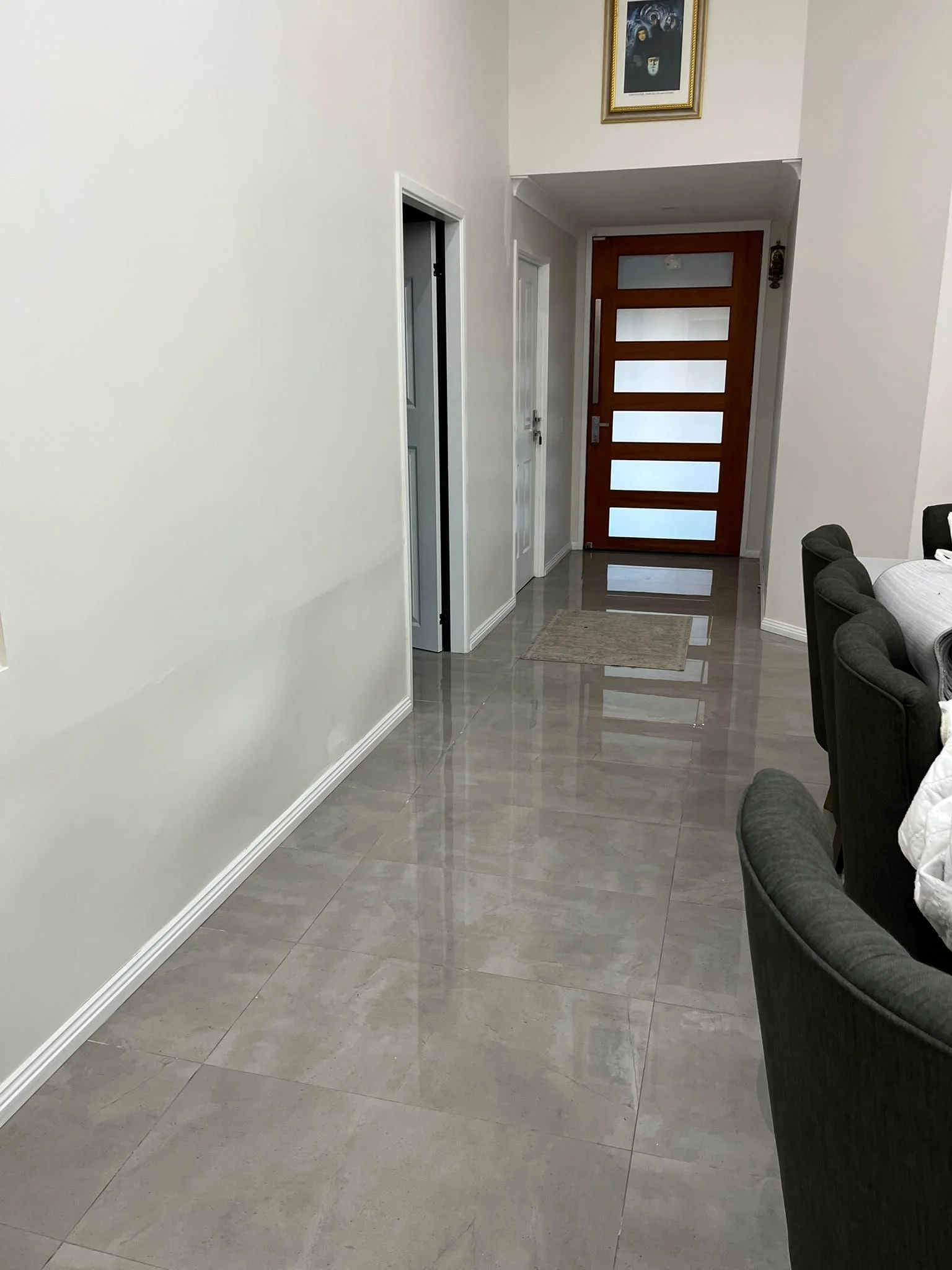
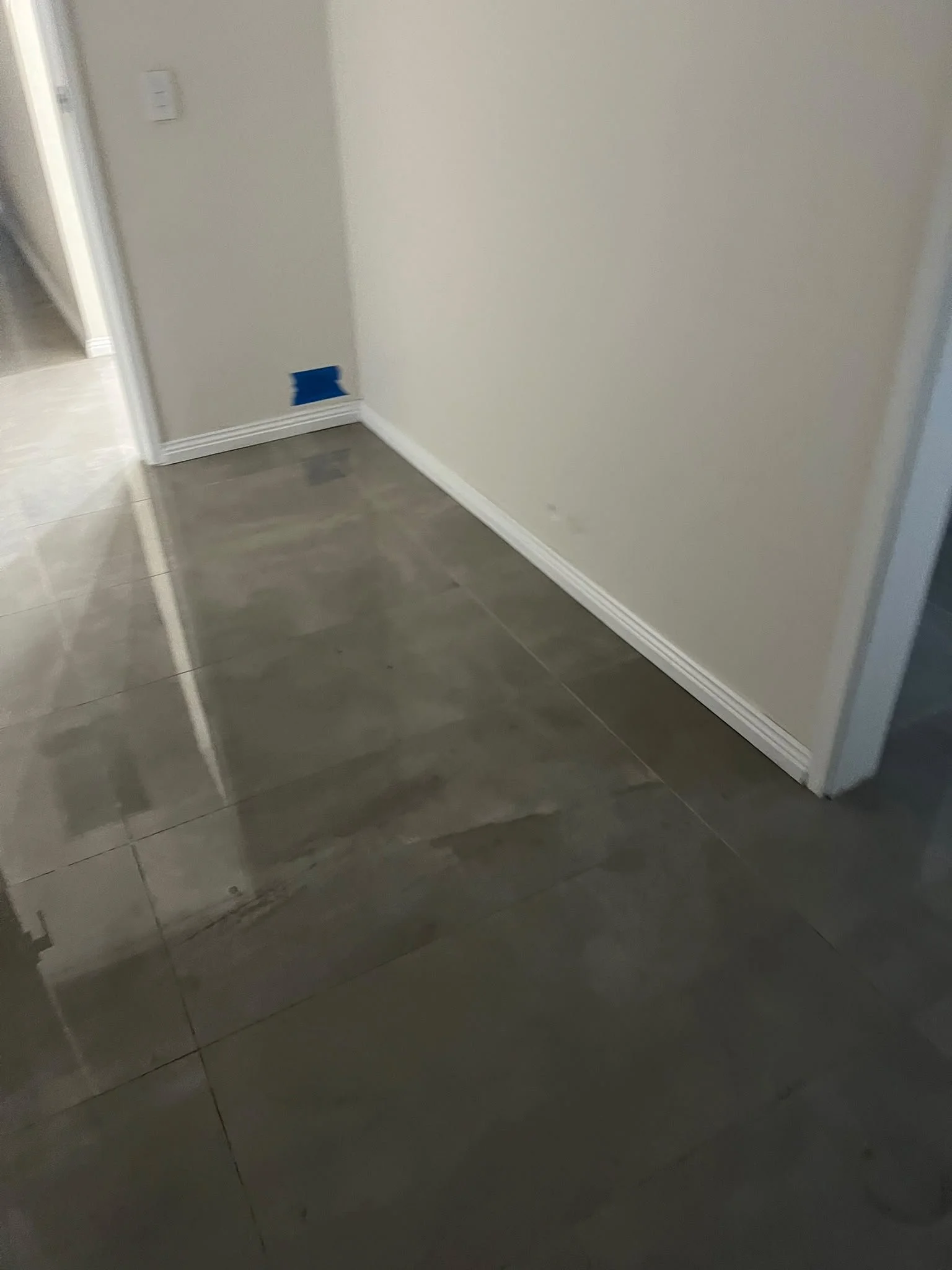
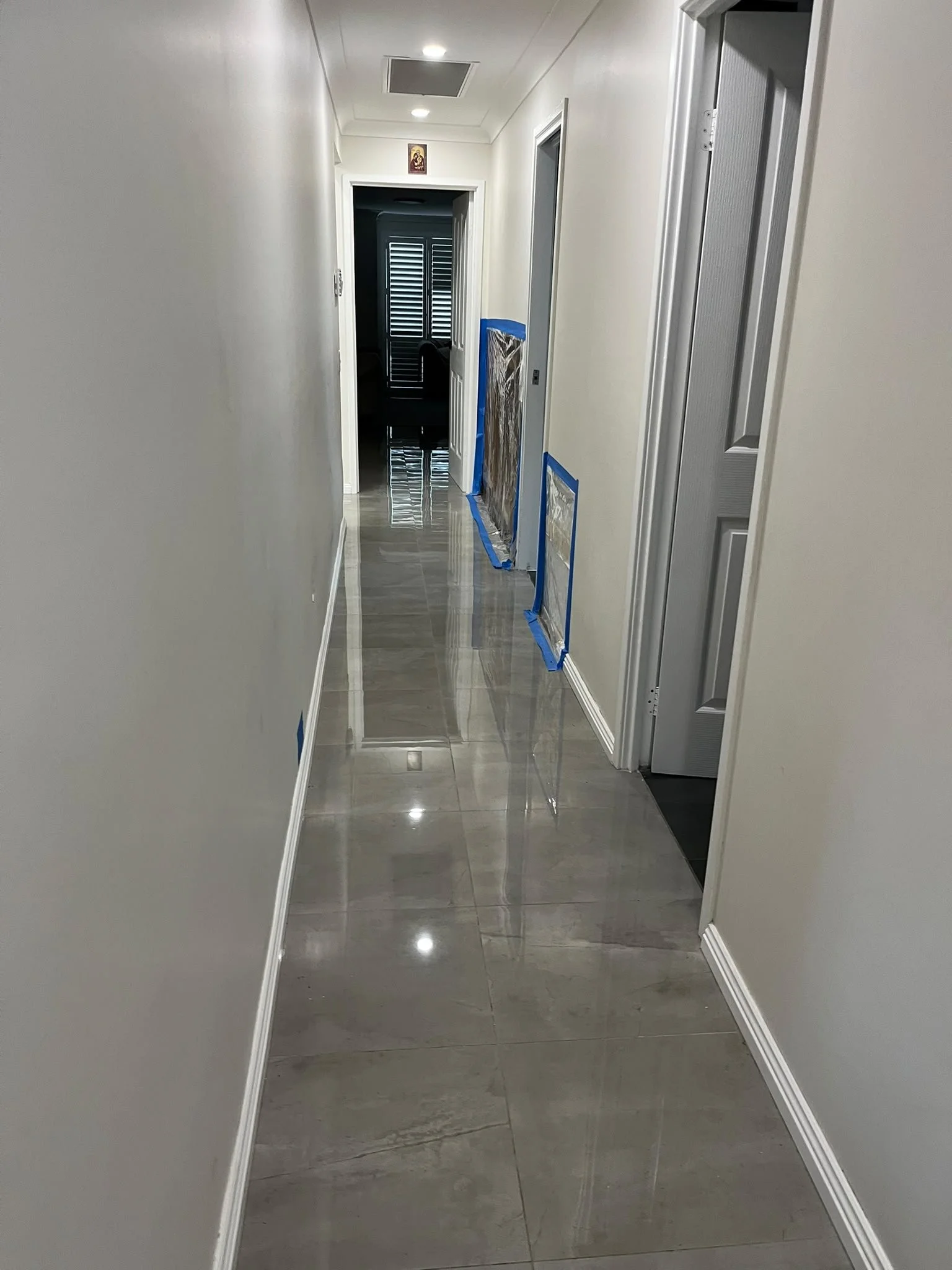
Water extraction is the mechanical removal of standing water and liquid bound within carpets, subfloors, and wall cavities using industrial-grade pumps and extractors. It is the most critical and time-sensitive stage following a plumbing failure, storm event, or flood. The longer water remains trapped, the deeper it migrates into structural timber, plasterboard, and subfloors—drastically increasing the risk of toxic mould growth, warped timber, and permanent structural degradation.
What is the difference between water extraction and water damage restoration?
Water extraction physically removes bulk liquid. Water damage restoration is the complete, end-to-end process: initial extraction, structural dehumidification, timber/plasterboard drying, antimicrobial treatment, odour control, and physical repairs. Extraction must always come first—drying equipment cannot function effectively while liquid water remains trapped inside materials.
How do I know I need professional water extraction?
Standing water, pooling liquid, or carpet that squelches underfoot
A persistent damp, musty, or earthy odour
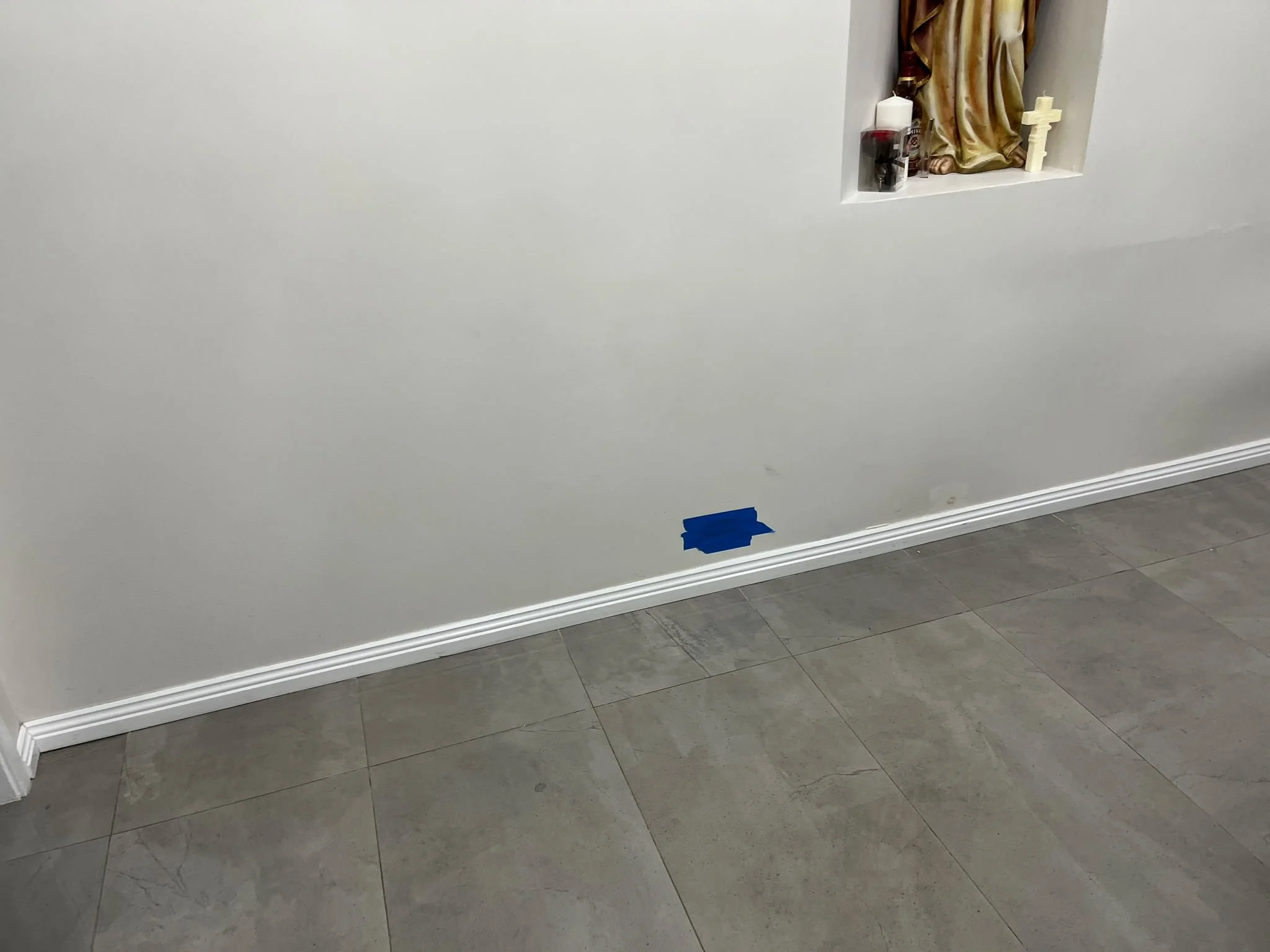
Bubbling, peeling paint, flaking plaster, or swollen skirting boards
Timber floorboards or laminate lifting, cupping, or buckling
Brown or discoloured tide marks spreading across ceilings or internal walls
Water ingress from a burst pipe, failed hot water system, split flexi hose, washing machine overflow, or blocked stormwater drain. If you are unsure of the extent, high-precision thermal imaging and moisture meters will map the exact boundaries of hidden moisture.
How Does Water Extraction Work? Our Step-by-Step Process
A professional water extraction project follows seven strict industry steps—from your emergency call to the final insurance restoration report.
Immediate Triage: We gather key details on the water source, volume, affected building materials, and safety hazards so our technicians arrive on-site with the correct equipment.
Make-Safe & Risk Assessment: We check for electrical hazards, assist in isolating the water main if required, and classify the water category (Clean, Grey, or Black).
Moisture Inspection & Thermal Mapping: Using non-invasive moisture meters and thermal imaging cameras (FLIR), we pinpoint hidden moisture trapped inside wall cavities, ceiling voids, and subfloors.
Physical Extraction: Submersible pumps remove deep standing water, followed by high-suction truck-mounted extractors and weighted deep-extraction wands to pull trapped moisture out of carpets, underlay, and hard flooring.
Removal of Unsalvageable Materials: Saturated materials that cannot be dried or sanitized safely—such as Category 2/3 carpet underlay, wet insulation, and severely compromised plasterboard—are carefully removed and disposed of.
Structural Drying Setup: Industrial air movers and Low Grain Refrigerant (LGR) dehumidifiers are positioned to drive evaporation and pull moisture out of the air. Daily moisture readings are logged until materials reach baseline dry standards (typically 3 to 5 days).
| Advanced Equipment | Primary Function | Client Benefit |
|---|---|---|
| Submersible Pump | Rapidly evacuates deep standing water from basements, garages, and lower floors. | Prevents deep structural saturation and removes bulk liquid fast. |
| Truck-Mounted Extractor | Delivers extreme vacuum suction to extract bound water from carpets, underlay, and subfloors. | Maximises water removal far beyond what portable wet-vacs can achieve. |
| Weighted Extraction Wand | Uses body weight and vacuum seals to compress carpet pile and pull moisture out of the pad beneath. | Achieves a deep, thorough extraction from fiber matrix and backing. |
| Pin & Pinless Moisture Meters | Measures internal moisture content (%MC) inside plasterboard, concrete, and structural timber. | Provides scientific proof of wet boundaries and confirms when the building is dry. |
| Thermal Imaging Camera | Detects temperature differentials created by evaporative cooling to reveal hidden leaks. | Eliminates guesswork and identifies moisture behind walls without demolition. |
| Industrial Air Movers | Directs high-velocity laminar airflow across surfaces to accelerate evaporation. | Drastically speeds up structural drying times. |
| LGR Dehumidifiers | Extracts water vapour from the ambient air, dropping relative humidity levels. | Controls environment humidity to prevent secondary mould growth. |
| HEPA Air Scrubber | Continuously filters ambient air through high-efficiency particulate air filters. | Captures airborne dust, spores, and particulates for cleaner air. |
| Antimicrobial Treatment | Applied to structural surfaces to inhibit bacterial contamination and fungal growth. | Creates a safe, hygienic environment during and after drying. |
| Drying Log & Moisture Map | Records daily moisture readings and environmental conditions. | Detailed verification for property owners, strata managers, and insurance assessors. |
How long does water extraction take?
Physical extraction takes between 2 to 5 hours for an average residential property. Large commercial spaces, deep basements, or multi-storey leaks take longer. Once extraction is complete, structural drying generally takes 3 to 5 days.
Equipment and Instruments
What Equipment Is Used for Water Extraction?
What Causes Water Damage in Sydney Homes and Businesses?
The most frequent causes of water damage across Greater Sydney include burst flexible braided water hoses (flexi hoses), failed hot water storage tanks, leaking dishwasher and washing machine connections, roof/gutter failures during heavy storms, blocked drains, and sewer back-ups. Severe weather events and East Coast Lows routinely drive surface water runoff into lower ground levels, garages, and basements.
What local challenges do Sydney property owners face?
*Older Homes & Terraces: Aging gal pipework, deteriorating flexi hoses, and compromised roof flashing frequently fail. Water rapidly travels through original hardwood timber flooring, subfloors, and double-brick or sandstone walls.
*Apartments & Strata Properties: A high-rise or unit leak directly impacts lower levels, soaking plasterboard ceilings, fire walls, and shared carpet. Fast extraction, immediate make-safes, and clear moisture mapping are essential when coordinating with strata managers, executive committees, and insurance loss adjusters.
*Flood-Prone River Corridors: Low-lying properties along the Hawkesbury-Nepean floodplain (including Windsor and Richmond), Parramatta River, and Cooks River face recurrent flood risks requiring specialised Category 3 decontaminations.
*Basements, Garages & Subfloors: Sub-grade areas collect heavy stormwater runoff rapidly during sudden downpours. Dense concrete slabs and masonry require commercial LGR dehumidification to dry thoroughly.
*Regional Weather Extremes: Escarpment runoff in Wollongong, intense gale events in the Blue Mountains, and severe coastal storms across Newcastle and the Central Coast routinely cause roof ingress and internal water damage.
Common Property Owner Concerns
Property owners faced with water damage generally have four immediate concerns: how far the water has migrated, whether mould will take hold, whether the premises are safe to occupy, and how to process the insurance claim. Professional extraction, daily moisture tracking, and written structural documentation resolve all four.
| Service Region | Covered Suburbs & Municipalities (NSW) |
|---|---|
| Western Sydney | Parramatta, Penrith, Blacktown, Liverpool, Campbelltown, Bankstown |
| Hills District & North West | Castle Hill, Baulkham Hills, Rouse Hill, Kellyville, Hornsby |
| North Shore & Northern Beaches | Chatswood, North Sydney, Mosman, Manly, Dee Why, Mona Vale |
| Inner West & Eastern Suburbs | Marrickville, Leichhardt, Surry Hills, Paddington, Bondi, Randwick |
| Sutherland Shire & St George | Sutherland, Cronulla, Miranda, Hurstville, Kogarah |
| Wollongong & Illawarra | Wollongong CBD, Shellharbour, Bulli, Dapto, and surrounding coastal suburbs |
| Blue Mountains | Katoomba, Springwood, Blaxland, Wentworth Falls, and surrounding townships |
| Newcastle & Hunter Region | Newcastle CBD, Lake Macquarie, Maitland, and surrounding suburbs |
Which Areas Do We Cover for Water Extraction?
Australia Restoration provides 24/7 water extraction and structural drying services across Greater Sydney and key regional hubs:
Why Choose Australia Restoration for Water Extraction?
Australia Restoration is a specialized Sydney damage restoration contractor providing fully integrated water extraction, structural drying, and mould remediation under one roof.
Single-Point Accountability: From initial extraction to final moisture clearance and mould prevention, your project is managed by one dedicated team—no trade hand-offs or delays.
IICRC-Guided Standards: Work is conducted in line with recognized structural drying protocols and clear environmental monitoring.
Insurance-Ready Documentation: Comprehensive moisture maps, psychrometric records, and photographic proof are compiled at every visit for your insurer or loss adjuster.
Transparent Communication: We clearly explain structural conditions, outline what can be saved versus what requires disposal, and provide clear scopes before major work begins.
Broad Regional Reach: Servicing Sydney, Wollongong, Blue Mountains, Newcastle, and Central Coast.
Direct Emergency Line: Call 1300 155 622 to speak to an experienced restoration team member.
Does Home Insurance Cover Water Extraction?
Most standard building and contents insurance policies cover sudden and accidental water damage (such as burst pipes, split flexi hoses, or storm damage). Coverage for riverine flooding or overland flow varies by insurer and policy structure. Always review your Product Disclosure Statement (PDS) or speak directly with your insurer. Contact your insurer promptly, and refrain from discarding damaged contents prior to inspection unless advised.
Immediate Actions Before the Extraction Team Arrives
* Ensure Electrical Safety: If safe to do so without standing in pooled water, turn off the electricity supply at the main switchboard. Never touch switches or power points while standing in wet areas.
* Isolate the Source: If safe, turn off the main water isolation valve or main water meter.
* Document Everything: Take clear photos and short video footage of standing water, structural entry points, and damaged contents.
* Protect Contents: Relocate light furniture, rugs, and valuables to dry areas or elevate furniture legs on plastic blocks/aluminum foil.
* Retain Damaged Items: Keep damaged contents for inspection by the insurance loss adjuster or assessor.
* Notify the Experts: Contact your insurance provider, then call Australia Restoration on 1300 155 622.
Water Extraction FAQ
-
Water should be extracted immediately, ideally within the first 24 hours. Mould spores can germinate on damp building materials within 24 to 48 hours, and water continuously migrates deeper into surrounding walls, timber flooring, and subfloors the longer it sits.
H3: How long does water extraction take?
Physical water extraction usually takes between 2 to 5 hours for an average residential property. Larger commercial spaces or deeper structural flooding take longer. Full structural drying using dehumidifiers and air movers typically takes 3 to 5 days.
-
Carpet exposed to Category 1 (clean) water can usually be saved if extracted quickly and dried properly. However, underlay (carpet cushion) acts as a sponge—if exposed to Category 2 (grey) or Category 3 (black) water, the underlay must always be removed and replaced for health and hygiene reasons. Carpet exposed to Category 3 water (sewage/floodwater) must always be removed and disposed of.
-
Category 1 (Clean Water): Originates from a clean source (e.g., broken water supply lines or sink overflows).
* Category 2 (Grey Water): Contains significant contamination (e.g., discharge from washing machines, dishwashers, or toilet bowls with urine).
* Category 3 (Black Water): Grossly unsanitary liquid containing pathogenic agents (e.g., sewage back-ups, river flooding, or standing Category 1/2 water that has degraded over time).
-
It may be safe during minor Category 1 clean water incidents in isolated rooms. However, if there are electrical risks, Category 2/3 contamination, or widespread structural saturation, temporary relocation is recommended. Our team assesses on-site safety during initial inspection
-
Extraction physically pulls free-standing bulk liquid from surfaces using vacuum power. Structural drying uses air movers and LGR dehumidifiers to evaporate moisture trapped deep within materials and pull that moisture out of the air. Both steps are required to prevent timber rot and mould.
-
Household wet vacuums only remove minor surface moisture. They lack the suction depth to extract water bound within carpet underlay, wall cavities, structural timber, or subfloors. Trapped moisture behind walls leads to hidden mould and structural rot. Professional moisture meters are needed to verify that structural materials are dry.
-
Yes. Australia Restoration services Greater Sydney, Wollongong, the Blue Mountains, Newcastle, and the Central Coast. Call 1300 155 622 to confirm technician availability in your area.
Water Damage Cannot Wait. Call Australia Restoration Now
The longer water sits inside building materials, the higher the structural restoration costs and mould risks become. Contact our team immediately for direct response and professional advice.
Call Now: 1300 155 622
Serving Sydney, Wollongong, the Blue Mountains, Newcastle, and the Central Coast.